Contact Us: 361-578-5233
covid-19 and flu guidelines
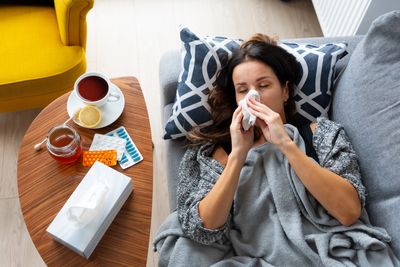
Information COVID-19 Coronavirus
Victoria Women's Clinic is providing the following information to help keep our patients and employees informed about the COVID-19 coronavirus.
COVID-19 Coronavirus Patient Self-Assessment Tool
If you have symptoms of respiratory illness (e.g., fever, cough and/or shortness of breath), answer the following questions:
1. Have you recently traveled outside the country? Current countries at high risk include all Asian countries, Italy, and Iran.
Yes
No
2. Have you been in close contact with anyone known or suspected to have the COVID-19 coronavirus illness? Close contact is defined as within 6 feet for 3 minutes or more.
Yes
No
If you answered yes to one or both of these questions and have respiratory symptoms:
Stay home and call The Victoria Women's Clinic (361-578-5233). A patient representative will take your information and have a healthcare provider contact you within 24 hours to provide additional information and discuss the best options for you.
If you believe your symptoms are life threatening, go to the nearest hospital emergency department. We recommended that you call the emergency department immediately so the staff can provide you with arrival instructions.
If you do not have respiratory illness symptoms, please refer to information below or contact your local health department.
How can I limit my risk of contracting COVID-19?
The Surgeon General has described “social isolation” as one way to limit your risk. In addition, “home quarantine” is being recommended for stable patients diagnosed with COVID-19.
“Social isolation” is one way of decreasing risk among patients. In simple terms, it means to control the people you come in contact with. Enjoy time with your family and friends, knowing if they are suspected of having COVID-19 coronavirus, or have been exposed to someone who has it, they should postpone contact with you. Large crowds should be avoided because people who are ill may not understand the risk they pose to you.
“Home quarantine” is only recommended for people that have tested positive for COVID-19 coronavirus or who have had close contact with a person who has tested positive. If you are advised to home quarantine, this guidance should be strictly followed as it means you are a risk to others, and should strictly stay at home for two full weeks. To quarantine at home means to eliminate any close contact with others. You should be confined to your home, unless there is a medical emergency. To prepare for this potential situation, make sure you have adequate supplies, including any critical medications. If you are concerned that you may not have your critical medications, please contact one of our staff who can help.
I was tested for COVID-19. What should I do while waiting for the results?
The turnaround time for your results is expected to be 3 to 4 days. Special circumstances could delay the results. Please follow the steps below until your doctor contacts you with the results of the COVID-19 coronavirus test:
1. Stay home. You should not leave your home except for emergency medical care. Do not go to work, school, or public places. Do not use public transportation or taxis/ride shares.
2. Separate yourself from other people in your home. You should stay in a different room from other people in your home. Use a separate bathroom, if available.
3. Wear a face mask. Wear a face mask when you are in the same room with other people and when you visit a medical provider. If you cannot wear a face mask, other people in your home who are with you should wear one.
4. Avoid sharing household items. Do not share dishes, drinking glasses, cups, eating utensils, towels, bedding or other household items with other people in your home.
5. Wash your hands. Wash your hands often and thoroughly with soap and water for at least 20 seconds. Use an alcohol-based hand sanitizer if soap and water are not available and if your hands are not visibly dirty. Avoid touching your eyes, nose, and mouth.
6. Cover your coughs and sneezes. Cover your mouth and nose with a tissue when you cough or sneeze, or you can cough or sneeze into your sleeve. Throw used tissues in a lined trash can, and immediately wash your hands with soap and water for at least 20 seconds.
7. Monitor your symptoms. Symptoms of COVID-19 are similar to lower respiratory symptoms like cough, congestion and shortness of breath. Symptomatic treatment is recommended. Tylenol and fluids, rest and a healthy diet. If you experience moderate to severe shortness of breath, contact your medical provider immediately. If you are directed to a health care facility, call the facility beforehand and let them know of your impending arrival and of your current status as a COVID-19 suspect patient.
8. What if my test is positive? Most patients who test positive for COVID-19 will experience mild to moderate respiratory symptoms and recover with supportive care. If your test is positive, you will be home quarantined for at least 14 days. This timeframe may change based on the current CDC guidelines.
CDC has issued guidance to help with risk assessment and management of people with potential exposures to COVID-19.
Seasonal Flu
For the safety of our patients and staff, if you are experiencing flu-like symptoms including, but not limited to:
- fever
- chills
- cough
- sore throat
- runny or stuffy nose
- body aches
- headache
- fatigue
- nausea
- vomiting
- diarrhea
please do not come into our office. We ask that you contact our office to reschedule your appointment or to discuss alternative care options.